How do I Invest in Coins?

Featured

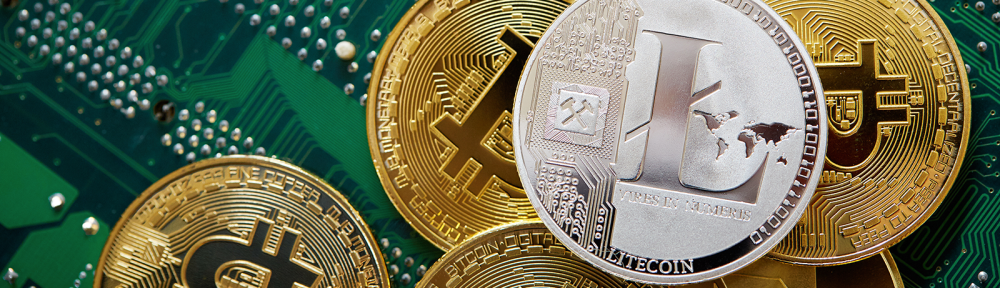
There are thousands of various cryptocurrencies available today, and it is often tricky to nail all of them down with one definition. Broadly, though, a cryptocurrency may be a digital currency that’s encrypted and infrequently decentralized. Bitcoin, the primary and most recognizable cryptocurrency out and away, relies on block chain technology, a permanent, decentralized ledger system.

While Bitcoin is that the most well liked and most respected cryptocurrency out there, it’s led to the creation of thousands of alternatives, or altcoins. There are different sorts of altcoins.

There are several different exchanges to settle on, with the foremost popular coins are available in the market. These exchanges allow you to buy currencies like Bitcoin and Ethereum with revolving credit. With most well-liked currencies, including Bitcoin, you’ll be able to buy fractions of a coin, so you don’t have to invest thousands of dollars to urge within the game.

If you’re fascinated by purchasing altcoins, odds are you’ll need some Bitcoin or Ethereum to create that purchase.

Exchanges make money by charging fees for conducting transactions, but there are other websites you’ll visit to interact directly with other users who are looking to sell cryptocurrencies. LocalBit coins are one popular example. The method will likely be more drawn out than with an exchange, and there’s the added risk of dealing directly with a stranger whose currency you can’t verify. If you’re unaccustomed to cryptocurrency, you’ll likely want to use an exchange.

One other option that’s becoming more prevalent is the Bitcoin ATM .There have been quite 50,000 U.S. locations in April 2022. You’ll use them to get Bitcoin and send it to your wallet.

Store Your Cryptocurrency:

When we say “send it to your wallet,” we don’t mean you place your Bitcoin into an actual wallet. To store your currency, you would like a cryptocurrency wallet, which is critical to securely store the code that produces your cryptocurrency portfolio. Software wallets are necessary to enable active trading, as they create accessing your currency much easier. If you sign on for a Coinbase account, you automatically receive a Coinbase software wallet.

Hardware wallets are physical devices, they give the impression of being a touch like USB drives and that they are safer than software ones. You’ll use them for a currency that you simply don’t expect to need frequent or easy accessibility to. Think about a software wallet sort of a bank account, whereas the hardware wallet is more like your bank account.

If you’re new to the world of crypto, figuring out how do I invest in coins?, You can start investing in cryptocurrency by following these five easy steps.

1. Choose a Broker or Crypto Exchange

To buy cryptocurrency, first you need to pick a broker or a crypto exchange. While either lets you buy crypto, there are a few key differences between them to keep in mind.

2. Create and Verify Your Account

Once you decide on a cryptocurrency broker or exchange, you can sign up to open an account.

3. Deposit Cash to Invest

To buy crypto, you’ll need to make sure you have funds in your account. You might deposit money into your crypto account by linking your bank account, authorizing a wire transfer or even making a payment with a debit or credit card.

4. Place Your Cryptocurrency Order

Once there is money in your account, you’re ready to place your first cryptocurrency order.

5. Select a Storage Method

Cryptocurrency exchanges are not backed by protections like the Federal Deposit Insurance Corp

Conclusion

So, any cryptocurrency has value only as long as people perceive it to own value. While this can be technically true of any currency, it’s more pertinent with cryptocurrencies because they aren’t backed by a government or a valuable (like gold), as most currencies are.

Global Economic Trends and Their Impact on International CFD Trading

Contracts for Difference (CFDs) have gained popularity as a flexible and dynamic way to trade global financial markets. This derivative instrument allows traders to speculate on the price movements of various assets, including stocks, commodities, indices, and currencies, without owning the underlying asset. However, the global economy is in constant flux, and economic trends play a significant role in shaping CFD trading opportunities. This article explores the key global economic trends that impact international CFD trading, providing valuable insights into how traders can adapt to these evolving market forces.

Understanding CFD Trading in a Global Context

CFD trading involves speculating on the price fluctuations of financial instruments without physically owning them. This type of trading offers significant advantages, such as leverage, access to diverse markets, and the ability to profit from both rising and falling prices. However, the highly speculative nature of CFDs makes them sensitive to global economic changes.

The interconnected nature of financial markets means that a single economic event in one country can have ripple effects across global CFD markets. For example, an interest rate decision by the U.S. Federal Reserve can impact stock indices, forex pairs, and commodities worldwide. Traders who actively monitor economic trends can position themselves to capitalise on market movements while managing their risks effectively. Explore ADSS for more information.

Key Global Economic Trends Affecting CFD Trading

One of the most significant factors influencing CFD trading is the monetary policy set by central banks. Inflation and interest rates play a crucial role in determining market sentiment and asset prices. When inflation rises, central banks often respond by increasing interest rates to curb spending and stabilise prices. Higher interest rates typically strengthen a country’s currency, making forex CFDs more volatile.

Disruptions in global supply chains have become a recurring challenge in recent years, affecting the prices of goods and commodities. Events such as the COVID-19 pandemic, shipping bottlenecks, and geopolitical conflicts have led to shortages and price fluctuations in various markets. Commodities like crude oil, metals, and agricultural products are particularly susceptible to supply chain disruptions. When oil-producing countries experience production halts due to political unrest, energy CFDs experience significant price swings. Similarly, semiconductor shortages have impacted technology stocks, influencing equity CFDs related to major tech companies.

Economic downturns have a profound impact on CFD markets, affecting investor confidence and asset valuations. Recessions lead to lower consumer spending, declining corporate earnings, and reduced economic growth, all of which contribute to market downturns. During recessions, stock indices like the S&P 500 and Dow Jones Industrial Average experienced sharp declines, making equity CFDs particularly volatile. However, traders can take advantage of short-selling opportunities to profit from falling prices. Bond CFDs and safe-haven assets such as gold and the Japanese yen often perform well during economic slowdowns as investors seek stability.

Sector-Specific Effects on CFD Trading

Economic trends play a crucial role in determining stock market performance. Growth sectors like technology, healthcare, and consumer goods often thrive during economic booms, while defensive sectors such as utilities and consumer staples tend to hold value during downturns. For example, during the post-pandemic tech boom, NASDAQ CFDs surged as companies in the digital sector reported record profits. However, when interest rates started rising, tech stocks faced sharp declines, leading to corrections in tech-related CFDs. Traders who understand sector-specific economic drivers can make strategic trading decisions.

Commodity prices fluctuate based on global supply and demand, making them highly sensitive to economic conditions. Oil CFDs are influenced by OPEC production decisions, geopolitical tensions, and global energy demand. Similarly, gold CFDs respond to inflationary pressures and shifts in risk sentiment. A prime example is the 2022 oil price surge following supply chain disruptions and geopolitical conflicts. Traders who monitored these developments were able to capitalise on the strong bullish trend in crude oil CFDs.

Strategies for Navigating Global Economic Trends in CFD Trading

To navigate the ever-changing economic landscape, CFD traders employ various strategies to manage risk and optimise returns. One effective approach is diversification, which involves trading multiple asset classes to mitigate risk exposure.

News-based trading strategies allow traders to capitalise on major economic events, such as central bank announcements and geopolitical developments. Additionally, risk management techniques such as stop-loss orders and position sizing help traders protect their capital in volatile markets.

Successful CFD trading requires staying informed about global economic trends and adapting strategies to align with market conditions. Traders who remain proactive in analysing economic data can enhance their decision-making and improve their long-term profitability.

Conclusion

Global economic trends have a profound impact on international CFD trading, influencing asset prices and market volatility. Inflation, interest rates, supply chain disruptions, geopolitical risks, and technological advancements shape the trading landscape, creating opportunities and challenges for traders. Understanding how these trends affect different asset classes, from stocks and commodities to forex and bonds, enables traders to make informed decisions. By staying updated on economic developments and employing strategic trading techniques, CFD traders can navigate complex market conditions and enhance their trading success.

Innovative practices in moneylending to support low-income groups

Moneylending has evolved significantly over time, especially with the introduction of innovative practices aimed at addressing the financial needs of low-income groups. These practices are designed to improve accessibility, reduce costs, and foster financial inclusion while helping borrowers build sustainable financial habits. If you’re looking for reliable borrowing options, consider lenders reputed for being good at money lender toa payoh, known for their professionalism and customer-centric approach.

Below are some key innovations that are reshaping the landscape of lending for disadvantaged communities.

1. Microfinance Institutions (MFIs)

One of the most impactful innovations in moneylending has been the emergence of microfinance institutions. These organizations offer small loans to individuals or groups who typically lack access to traditional banking services. By providing loans without requiring collateral, MFIs empower low-income individuals to invest in small businesses, agriculture, or other income-generating activities.

2. Mobile-Based Lending Platforms

The rise of mobile technology has revolutionized how loans are disbursed to low-income groups. Mobile-based lending platforms use digital tools to provide instant access to credit, eliminating the need for physical branches and extensive paperwork. Borrowers can apply for loans through mobile apps or SMS, and funds are often disbursed directly to mobile wallets.

3. Data-Driven Credit Assessments

Traditional credit scoring systems often exclude low-income individuals due to their lack of formal financial history. However, innovative lenders are now using alternative data sources, such as mobile usage patterns, utility payments, and social media activity, to assess creditworthiness. By leveraging artificial intelligence and machine learning, these lenders can offer loans to individuals who were previously considered unbankable.

4. Flexible Repayment Structures

To accommodate the irregular income patterns of low-income groups, many lenders have introduced flexible repayment options. For instance, borrowers can repay loans in small, frequent installments or adjust their payment schedules based on their cash flow. Some lenders also offer grace periods or allow for partial repayments during challenging times, reducing the financial burden on borrowers.

5. Financial Education and Support

Many innovative moneylending initiatives integrate financial literacy programs to educate borrowers on managing debt, budgeting, and saving. By equipping individuals with the knowledge to make informed financial decisions, these programs reduce the likelihood of over-indebtedness and improve overall financial well-being.

6. Social Impact Lending

Social enterprises and non-profit organizations are increasingly entering the moneylending space to support low-income communities. These organizations prioritize social impact over profit, offering low-interest loans and reinvesting earnings into community development projects. This approach helps borrowers access affordable credit while contributing to broader social and economic progress.

Conclusion

Innovative moneylending practices tailored to the needs of low-income groups have the potential to break the cycle of poverty and foster economic empowerment. By combining technology, data analytics, flexible repayment models, and financial education, these approaches make borrowing more accessible and sustainable for marginalized populations. As these practices continue to evolve, they will play a critical role in driving financial inclusion and reducing economic inequality worldwide.

8 Situations where you should avoid taking a loan

When a person is in a financial crisis they opt for taking out a loan. But sometimes people feel that it is a necessity or there is another way to deal with some financial condition. You need to understand the situations where you really need a loan or you can work the other way out. You also need to know whether your money lender is good at moneylender ang mo kio. Let’s understand the situation where you could avoid taking out the loan.

1.    High-Interest Rates:

If you can’t find a personal loan with a reasonable interest rate, it might be better to explore other options, such as credit cards or debt consolidation programs.

2.    Unstable Income:

If your income is uncertain or fluctuates significantly, taking on a personal loan can be risky. Ensure you have a stable income source to make consistent payments.

3.    Excessive Debt:

If you already have a high debt-to-income ratio, adding a personal loan can further strain your finances. Consider other options to manage your existing debt before taking on more.

4.    Lack of Financial Discipline:

If you have a history of overspending or difficulty managing your finances, a personal loan might not be the best choice. Consider implementing better financial habits before taking on additional debt.

5.    Short-Term Needs:

If you need funds for a short-term expense, consider using savings or a credit card instead of a personal loan. Personal loans often have longer repayment terms, which can increase the overall cost.

6.    Non-Essential Purchases:

Avoid using a personal loan for non-essential purchases. It should always be used for essential expenses and avoid creating more debt.

7.    Inability to Make Timely Payments:

If you’re unsure about your ability to make consistent on-time payments, it’s best to avoid taking a personal loan. Late payments can negatively impact your credit score and lead to additional fees.

8.    Alternative Financing Options:

Explore other financing options, such as negotiating with creditors, seeking financial assistance from family or friends, or using a credit card with a lower interest rate.

Conclusion

Personal loan is an important financial decision which should be taken properly. Carefully evaluate your situation and consider the potential risks and benefits before making a choice. It would help an individual to create a proper plan before committing in the vicious cycle of loan. It can be considered a wrong choice if you fail to understand your situation and financial status clearly.

An Ultimate Guide in choosing the authentic money lender

Introduction

Due to the advancement of technology, the business of money lending has evolved significantly. It is to be noted that an individual needs a loan for various reasons for purchasing a car, home, education, etc. Due to the advancement of technology, now an individual can take a loan within a few days without resorting to documentation and bureaucratic processes. To get loans at effective rate of interest please click good at money lending in singapore.

 Banks and financial institutions also offer loans to the individual at lower rates of interest but there is a huge difference between loans provided by banks, financial institutions, and money lenders. It is to be noted that while applying for any loan, choosing the right money lender is important. This article provides certain tips for choosing the right money lender.

Certain tips in choosing the right money lender 

It is important to note that not all money lenders are the same. Here are some of the tips for choosing the money lender:

  • Loan to value ratio: It is important to examine the loan to value ratio and the duration of the loan. A high LTV ratio states that an individual will receive more substantial value than the value of property. It is important to consider the value you are receiving when taking the loan. An individual should choose the money lender that offers a flexible rate of interest and also consider that there should be no hidden cost attached to it. 
  • Location: It is important to consider the location of the lender because different lenders specialize in different regions and they have great knowledge of the local market and offer guidance that suits the specific location.
  • Reviews and Ratings: While choosing the money lender, it is always important to do thorough research and read reviews from the previous customers about the reliability of the services. Do not hesitate to ask your fellow colleagues, family, or friends about the right money lender as per their experience.
  • Licensed: It is important to choose the money lender who holds the proper license as per the government rules and regulations.
  • Time for approval: It is important to choose the money lender that has a clear and transparent process of approval and takes less time as compared to other money lenders in approving the loan. 
  • Credibility: When it comes to taking a loan, checking the credibility and reliability of the money lender is one of the most important things. 

Conclusion 

Choosing the right money lender involves consideration of various factors like loan to value ratio, time approval, credibility, reviews, location, etc.  

Safest Debt Approval Methods in 2024

Dealing with the complex web of loans and credit in 2024 requires serious consideration of the safest debt approval methods. With evolving financial landscapes and new technologies, understanding how to secure debt safely can help protect your financial health and ensure that you are making informed decisions. Here are the safest debt approval methods to consider in 2024. And for finding people good at money lender Orchard, feel easy to click on this link.

Online Pre-Approval Processes

The digitization of financial services has made online pre-approval processes more popular and secure. Many banks and financial institutions now offer online platforms where you can apply for pre-approval for loans and credit cards. These platforms use secure encryption to protect your personal information and provide quick decisions based on your financial data.

Tip: Use reputable and well-known financial institutions for online pre-approvals to ensure the highest security standards.

Credit Score Monitoring and Improvement

A strong credit score is important for securing nice debt terms. Regularly monitoring your credit score can help you understand your creditworthiness and take steps to improve it. Many services offer secure credit monitoring and provide alerts for any changes to your credit report.

Tip: Utilize free credit monitoring services to keep track of your credit score and address any issues promptly to improve your chances of debt approval.

Secured Loans

Protected debts, such as home equity loans or auto loans, use collateral to secure the loan. This reduces the risk for lenders and can make approval easier, even if your credit score is not perfect. However, it’s important to understand that if you default on the loan, you risk losing the collateral.

Tip: Only use collateral for loans if you are confident in your ability to make the payments, and ensure the value of the collateral is worth the risk.

Automated Underwriting Systems

AUS use advanced algorithms to assess loan applications quickly and accurately. These systems analyse your financial data and provide instant decisions, reducing the risk of human error and bias. AUS are widely used by banks and mortgage lenders to streamline the approval process.

Tip:Confirm that any lender using AUS provides transparency about the data used and the decision-making process.

Final Words

Getting debt safely in ‘24 includes leveraging technology, improving your credit score, and choosing the right financial products and services. By utilizing online pre-approval processes, monitoring your credit score, considering secured loans, exploring P2P lending, consulting financial advisors, and relying on automated underwriting systems, you can navigate the debt approval process securely and efficiently. Staying up-to-date about the newest fiscal advancements & practices certifies that you make nice decisions, save your financial health, &get your borrowing goals with confidence. By sticking to these loan approval approaches, you can get the financial resources you need while preserving peace of your mind.

Reliable and Efficient Money Lending in Jurong East

In the heart of Jurong East, choosing a reputable and efficient money loan business is critical for properly managing financial demands. Known for their expertise, good at money lender jurong east offer a range of tailored solutions to meet diverse financial requirements. These experts are prepared to offer prompt, private, and responsible loan services, regardless of whether you’re planning a big buy, need to cover an unforeseen need, or both. When looking for hassle-free financial help, their dedication to openness and client pleasure makes them a top option. Select a dependable vendor in Jurong East for all of your financing requirements.

Evolution of Money Lending in Jurong East

Money lending is a crucial financial activity in which entities such as people or organizations lend money to borrowers, who then consent to return the principal amount plus interest over a certain time period. This technique is essential to personal finance since it provides the money needed for unforeseen bills, investments, or even daily costs, allowing for financial development and flexibility.

Over time, money lending in Singapore’s busy area of Jurong East has changed dramatically. Money lending services were first available in the region, mainly serving small-scale personal and business requirements of the local population. The need for a wider range of advanced loan services grew as Jurong East became a more densely inhabited and economically diversified region. Numerous licensed money lenders with professional standards and tailored financial solutions have emerged as a result of this increase. These organizations have made adjustments to match the evolving regulatory frameworks and financial demands, guaranteeing that their consumers receive dependable and effective services.

Regulatory Compliance and Ethical Standards in Money Lending

Moneylenders are subject to strict rules in Jurong East, as well as throughout the entirety of Singapore, to guarantee that they fulfil severe legal and ethical obligations. The purpose of these laws is to safeguard borrowers from fraud and to encourage openness in all financial transactions. The Moneylenders Act, which stipulates strict licensing requirements, operational norms, and interest rate limitations, is complied with by reputable money lenders in Jurong East. Another essential component is ethical lending procedures, which place a strong emphasis on treating customers with dignity, justice, and secrecy. Reputable lenders in Jurong East uphold honesty and confidence in their services by following these strict rules, guaranteeing a secure and equitable financing environment for all of their consumers.

Conclusion

In summary, Jurong East’s money lending scene sets the bar for high-quality financial services with its combination of dependability, effectiveness, and strict adherence to legal and ethical requirements. The sophistication of the money lending services in the area has increased along with its growth, guaranteeing that the demands of both individuals and businesses are satisfied with honesty and professionalism. The money lenders in Jurong East are a reliable resource for anyone in need of financial support; they offer specialized services that guarantee client happiness and monetary security. Selecting a trustworthy lender in this dynamic region ensures assistance via a framework based on equity and openness.

Streamlining Your Crypto Purchases: Buy Cryptocurrency with Ease Using a Debit Card

In at present’s digital age, cryptocurrency has gained vital reputation as a decentralized form of digital foreign money. With its promise of enhanced safety, private ness, and potential for top returns, increasingly individuals are exploring the world of cryptocurrencies. However, purchasing these digital belongings can typically be a daunting task.

One of the easiest methods to buy cryptocurrency is by using a debit card. This streamlined methodology permits people to invest in their favorite cryptocurrencies with out the trouble of sophisticated processes or intensive paperwork. By harnessing the ability of expertise, buying cryptocurrency with a debit card has become simpler than ever before.

The Convenience of Using a Debit Card

Debit cards have always been a preferred payment choice as a end result of their convenience. They eliminate the necessity for carrying massive sums of money or writing checks, making transactions fast and hassle-free. Now, this convenience extends to buying cryptocurrencies as well.

By using a debit card, you can seamlessly join your checking account or current funds directly to a cryptocurrency trade platform. This connection enables you to buy digital currencies immediately, offering you with instant entry to the crypto market.

The Streamlined Process

The process of buying for cryptocurrency with a debit card is designed to be user-friendly and efficient. It of tenentails a couple of simple steps:

  1. Select a Reliable Crypto Exchange: Choose a reputable cryptocurrency exchange that supports debit card purchases. There are several trust edplat forms available inthe market.
  2. Create an Account: Sign up on the chosen exchange platform by providing the necessary information, such as your email address and password.
  3. Verify Your Identity: Complete the identity verification process mandated by the exchange platform. This ensures compliance with regulations and enhances security.
  4. Add Your Debit Card: Link your debit card to your exchange account by entering the card details. Ensure that you are using a secure and encrypted connection during this process.
  5. Choose Your Cryptocurrency: Select the cryptocurrency you cryptocurrency to naira want to purchase from the available options on the exchange platform.
  6. Enter the Amount: Specify the amount of cryptocurrency you wish to buy, ensuring it aligns with your budget and investment goals.
  7. Review and Confirm: Double-check all the details of your purchase, how to buy and send bitcoin including the transaction fees, before confirming the transaction.
  8. Complete the Purchase: Once you are satisfied with the information provided, click on the “Buy” button to finalize the transaction. The cryptocurrency will be instantly added to your digital wallet.

The Advantages of Using a Debit Card for Crypto Purchases

Using a debit card to purchase cryptocurrency presents quite a few benefits:

  • Speed and Accessibility: Debit card transactions are usually processed immediately, permitting you to enter the crypto market swiftly. This pace ensures you don’t miss out on potential investment alternatives.
  • Convenience: Debit playing cards are widely accepted, each on-line and offline. This makes buying cryptocurrency a convenient course of, as you may make purchases from wherever, at any time.
  • Familiarity: Many individuals are already accustomed to using debit playing cards for their day-to-day expenses. Buying cryptocurrency with a debit card maintains this familiarity, making it simpler for novices to navigate the crypto world.
  • Security: Reputable cryptocurrency exchanges prioritize the safety of their customers. By choosing a reliable exchange, you’ll be able to ensure that your private and financial info stays protected through the transaction process.

With the simplicity and benefits it presents, using a debit card to purchase cryptocurrency is a superb possibility for both new and skilled investors. It streamlines the buying process, allowing you to dive into the world of cryptocurrencies with ease.

However, it is crucial to keep in thoughts that investing in cryptocurrencies carries risks. Do thorough research, search professional recommendation, and solely invest quantities that you are willing to lose. By following these guidelines and utilizing the convenience of debit cards, you might make your crypto purchases smarter and extra environment friendly.

The Allure and Significance of Naira: Nigeria’s Currency

In the colourful and numerous nation of Nigeria, the forex that holds all of it collectively is the Naira. Represented by the image “₦”, the Naira has a rich history and plays a vital role in the financial panorama of the nation. Its attract and significance transcend its monetary value, encompassing cultural delight and nationwide identification. 

The Originsand Evolution

The Naira was introduced to Nigeria on January 1, 1973, replacing the British pound as the official currency. Derived from Nigeria’s major river, the Niger, the name “Naira” was chosen to reflect a how much is 1btc to naira sense of national unity and pride. Since then, the Naira has experienced various transformations and challenges, adjusting to the ever-changing economic conditions in Nigeria and the global market. 

Over the years, the Central Bank of Nigeria (CBN) has made efforts to maintain up stability and management over the Naira. However, like many other currencies, it has faced periods of inflation and devaluation as a result of factors corresponding to oil worth fluctuations, political instability, and economic reforms. Despite these challenges, the Naira continues to be the lifeblood of Nigeria’s economy. 

Cultural Significance

The Naira extends past its monetary worth; it carries cultural significance for the Nigerian people. It represents an emblem of nationwide pride, fostering a way of unity amongst numerous ethnic groups inside the country. The Nigerian coat of arms is featured on the currency, additional emphasizing its connection to the nation’s heritage. 

Additionally, the Naira serves as a medium for selling Nigerian artwork and culture. The notes characteristic outstanding Nigerian figures, historical landmarks, and traditional motifs. These creative elements not solely showcase Nigeria’s rich cultural heritage but in addition serve as a reminder of the country’s achievements and aspirations. 

The Naira’s Impact on the Economy

As Nigeria’s official currency, the Naira plays a vital role in facilitating trade, investment, and economic growth. It serves as a unit of account, medium of exchange, and store of value for individuals, buy tether usdt businesses, and the government. The stability and strength of the Naira directly impact various sectors of the Nigerian economy, including agriculture, manufacturing, and services. 

Furthermore, the Naira influences overseas change charges, international trade, and investments in Nigeria. Its efficiency towards different currencies impacts import and export actions, making it essential for policymakers and businesses to closely monitor its worth. Exchange rate insurance policies and measures implemented by the CBN significantly affect the competitiveness of Nigerian products within the international market. 

Protecting the Naira

The preservation and safety of the Naira is of utmost significance for Nigeria’s economic stability. The CBN continuously implements monetary policies and regulations to safeguard its worth and prevent counterfeiting. Public awareness campaigns and educational programs are conducted to coach Nigerians about the features of real Naira notes and coins, guaranteeing their acceptance and belief in the foreign money. 

Additionally, technological developments have led to the introduction of security measures in the newer series of Naira notes. These features, similar to holograms, unique serial numbers, and raised prints, make it harder for counterfeiters to copy the currency, thus preserving its integrity. 

The Future of the Naira

While the Naira has confronted challenges up to now, it remains an integral part of Nigeria’s future. Efforts are being made to diversify the Nigerian economy and reduce its dependence on oil revenues, which ought to contribute to larger stability for the foreign money. Economic reforms, improved fiscal self-discipline, and enhanced transparency are essential to ensuring the Naira’s long-term resilience and attractiveness to buyers. 

As Nigeria continues to develop and develop, the Naira will stay a logo of unity, delight, and financial prosperity. It represents the spirit of the Nigerian folks and their unwavering willpower to forge forward despite any obstacles. The attract and significance of the Naira go far past its physical kind; it embodies the aspirations and desires of a nation striving for a brighter future. 

What You Need to Know About Interest Rates and Fees on Working Capital Loans for SMEs in Singapore

As an SME in Singapore, you may find yourself in need of a working capital loan to help manage your cash flow and day-to-day expenses. However, before taking out a loan, it’s important to understand the interest rates and fees associated with working capital loans for SMEs in Singapore. In this article, we’ll explore everything you need to know about interest rates and fees on working capital loans.

What is a Working Capital Loan?

A working capital loan is a type of financing designed to provide short-term funding for a business’s daily operations. This type of loan can be used to cover expenses such as payroll, inventory purchases or other operating costs that arise during the normal course of business.

Interest Rates on Working Capital Loans

Interest rates are one of the most important factors to consider when choosing a lender such as Inland Capital for your working capital loan for SMEs in Singapore. Interest rates are typically expressed as an annual percentage rate (APR) and represent the cost of borrowing money from the lender.

The interest rate you are offered will depend on several factors including your credit score, revenue projections, and collateral provided. In general, lenders charge higher interest rates for riskier borrowers or those with lower credit scores.

Fees on Working Capital Loans

In addition to interest rates, lenders may also charge various fees associated with processing and servicing your loan. These fees can include application fees, origination fees or late payment penalties.

It’s important to carefully review all fee information provided by potential lenders when comparing offers as they can significantly impact the total cost of borrowing over time. For example, even if two lenders offer similar interest rates but one charges higher processing fees than the other -it could potentially make more sense financially to opt for lender charging lower processing fee .

Comparing Interest Rates and Fees Across Lenders

When comparing different lenders offering SME Working Capital Loan , it’s important to compare not only their interest rates but also any additional fees charged . To make things easier , one could use online comparison tools which help compare multiple options available based upon specific criteria like  APR ,processing fee etc..

Tips for Negotiating Interest Rates and Fees

If you’re not happy with the terms offered by a particular lender , there are steps you can take to negotiate better terms . For example improving credit score or providing collateral might improve chances of securing better terms from potential lenders .

However ,its worth noting that negotiating better terms comes with some risks such as longer wait times or being required  provide additional documentation .

Conclusion

Choosing right lender when looking for working capital loans for SMEs in Singapore involves careful consideration of several factors including not just interest rate but also associated fees .By using online comparison tools , assessing reputation & customer service quality along-with considering tips mentioned above while negotiating better terms -one can secure favorable lending experience that meets business requirements without straining budget constraints

Skills Needed to Be a Makeup Artist

Being a makeup artist may be an exciting and varied career. The satisfaction comes from utilising cosmetics to transform people into personas who are very different from their normal selves or to help them look their best. Makeup artists are employed by the entertainment, theatre, television, film, retail, and independent industries. Through coursework at nearby community colleges, universities, or four-year institutions as well as on the job, they acquire education needed to be a makeup artist.

Even before they take up a sponge or brush, makeup artists must acquire critical abilities. They gain the ability to evaluate a client’s skin type, including colour, sensitivity, and condition. The kind and colours of cosmetics to employ are determined by these elements. Understanding colour theory is a complex ability that takes into account factors like race, ethnicity, evident skin colour, and colour undertones. In order to choose what kind of makeup to use and how to apply it to get the desired results, makeup artists must also consider the bone structure of their clients.

  • Putting Makeup On

Makeup artists are taught how to properly clean, tone, and moisturise the skin for various skin types before applying makeup. They practise using lip colour, eye and brow liner, blush, foundation, and other cosmetics. They also learn how to modify makeup application for different looks, including those for work, the evening, and other occasions. Beyond the fundamentals, they might study theatrical productions, bright and dim lighting, indoor and outdoor events, high fashion runway looks, and indoor and outdoor activities. For on-camera talent, for photo shoots in a variety of lighting situations, and for indoor and outdoor stage performers, they learn how to apply and touch up makeup.

  • Equipment of the Trade

The makeup artist use a variety of tools, including sponges, brushes, and sophisticated airbrushes, in addition to various makeup types. Aspiring painters learn how to use the various brush types and the advantages and disadvantages of various cosmetics options. They might specialise in airbrushing tattoos to cover them up or applying makeup to hide flaws. Theatre makeup artists may also utilise wigs, beards, artificial eyelashes, and prosthetic body parts to create a character’s look in addition to cosmetics.

  • Feature & Traits

You need to be imaginative and artistic, enjoy experimenting with concepts and materials, and have a keen sense of colour if you want to be a successful makeup artist. Makeup artists may put in long hours and spend a lot of time standing up, so they need to be physically and mentally healthy. With early mornings and travel for picture shoots and late nights for theatre work, the profession may also be difficult at times.

Conclusion

As a result, makeup artists must possess at least a high school diploma or GED, and the majority have additionally completed college-level coursework or obtained a cosmetology certificate. It is also feasible to pick up makeup knowledge while working.